

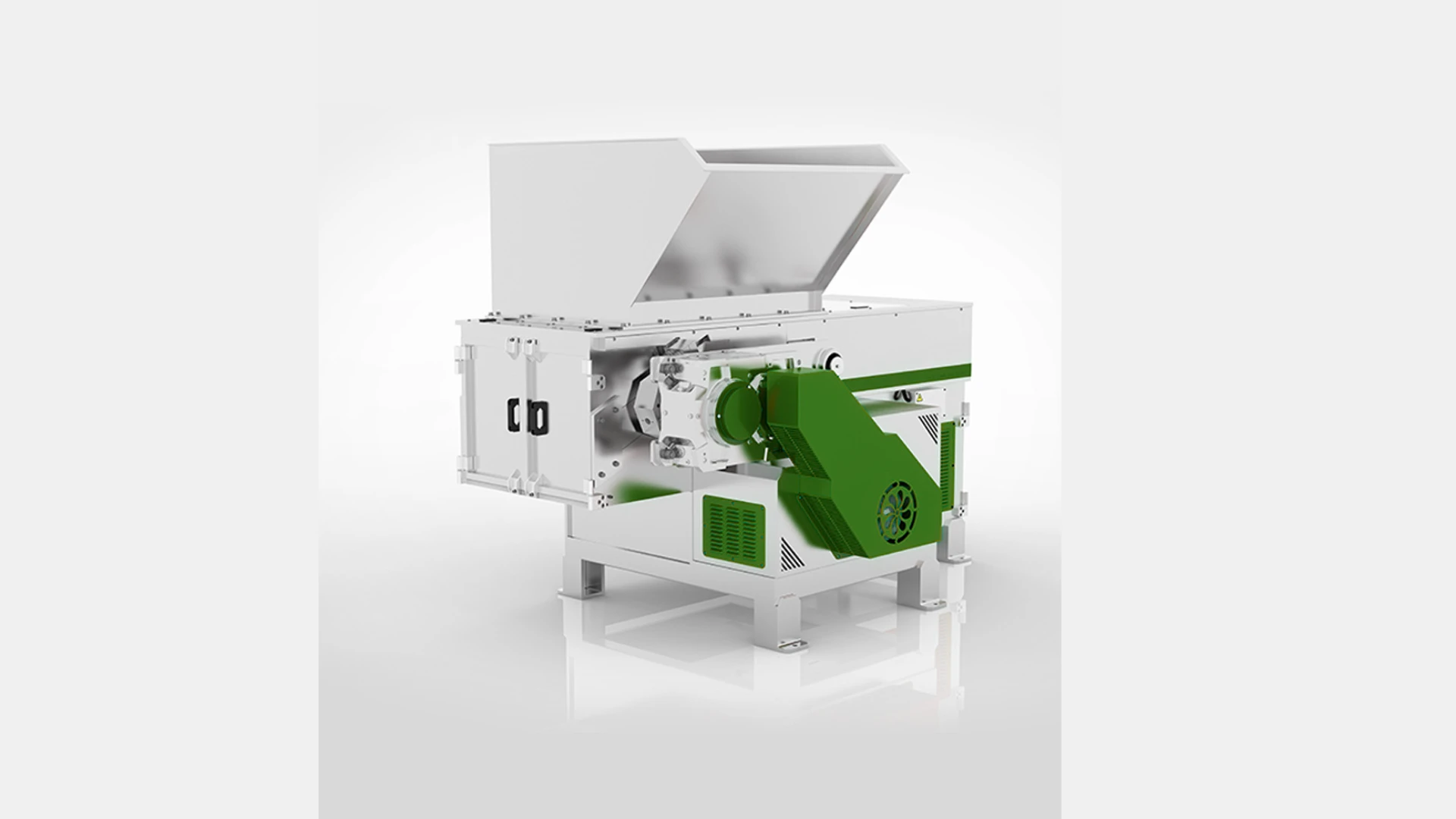
In the competitive landscape of modern manufacturing and recycling, efficiency is the currency of success. Industrial shredders are not merely machines for disposal; they are the critical first step in turning waste into value. Whether you are processing rigid plastic lumps, reclaiming heavy metals, or managing complex post-consumer waste, a robust shredding system is essential for optimizing your material flow and maximizing profitability.
At Rumtoo, we understand that the right shredder does more than just break things down—it streamlines your entire production line. This guide explores how industrial shredders work, how to choose the right one, and why they are the backbone of the circular economy.
What Are Industrial Shredders?
Industrial shredders are heavy-duty, low-speed, high-torque machines engineered to reduce dense, bulky materials into smaller, manageable fractions.
Unlike standard commercial shredders, these industrial giants are built to withstand immense stress. They are capable of processing a diverse range of materials, including:
- Plastics: Purgings, pipes, drums, woven bags, and PET bottles.
- E-Waste: Hard drives, circuit boards, and cables.
- General Waste: Wood, rubber tires, and cardboard.
For professionals in the plastic recycling industry, the industrial shredder is indispensable. It transforms raw scrap into uniform pieces, preparing them for downstream processes like washing, granulating, and re-pelletizing.
How It Works: The Mechanics of Reduction
Understanding the operational mechanism helps you select the right configuration for your facility. While designs vary, the core principle relies on shearing, tearing, and fracturing materials under high pressure.
Key Components of a Rumtoo Shredder
- The Feeding System: Whether using a conveyor belt or a hydraulic hopper, the system ensures a controlled flow of material to prevent jamming.
- The Rotor & Knives: The heart of the machine. Hardened steel blades mounted on a rotor cut against fixed bed knives.
- The Gearbox: Delivers the high torque necessary to crush tough materials without stalling.
- Discharge Screen: A heavy-duty screen located beneath the rotor determines the final output size. Material continues to shred until it is small enough to pass through the screen holes.
Selection Guide: Single-Shaft vs. Double-Shaft
Choosing the right shaft configuration is the most critical decision for a buyer. Here is a professional breakdown to help you decide:
1. Single-Shaft Shredders (The Precision Choice)
- Best For: High-speed processing of materials that require a specific, uniform particle size.
- Ideal Materials: Plastic lumps, runners, wood, paper, and cardboard.
- Why Choose It: It features a hydraulic ram that pushes material against the rotor. It is excellent for preparing material for a granulator.
2. Dual-Shaft / Twin-Shaft Shredders (The Powerhouse)
- Best For: Bulk volume reduction of large, hollow, or extremely tough objects.
- Ideal Materials: Plastic drums, tires, metal scrap, white goods (appliances), and contaminated waste.
- Why Choose It: Two counter-rotating shafts with hook-shaped blades “grab” and chew through materials. It operates at lower speeds with massive torque, making it quieter and less prone to dust.
Why Industrial Shredders Are Essential for Your Business
Investing in a premium industrial shredder offers immediate ROI (Return on Investment):
- Cost Reduction: Reducing waste volume by up to 80% significantly lowers transportation and landfill costs.
- Revenue Generation: Shredders facilitate the Circular Economy. By processing scrap plastic into reusable raw materials, you open new revenue streams.
- Data & Brand Security: Securely destroy sensitive prototypes, documents, and digital media to protect intellectual property.
- Operational Efficiency: Modern Rumtoo shredders feature “Smart Drive” systems that automatically reverse when a jam is detected, protecting the machine and minimizing downtime.
Maintenance Tips: Extending Machine Life
To ensure your shredder operates at peak performance for years, follow these expert maintenance practices:
- Regular Lubrication: Greasing bearings and gears prevents friction and overheating.
- Blade Rotation: Most industrial shredder blades can be rotated to use a fresh cutting edge before needing replacement.
- Belt Tension: Check drive belts regularly to ensure efficient power transmission.
Frequently Asked Questions (FAQ)
Q: What is the difference between a Shredder and a Granulator?
A: A shredder is a low-speed, high-torque machine designed for the primary breaking of large, tough materials. A granulator runs at high speeds to grind pre-shredded material into very small, uniform flakes (typically 6-12mm), often as a secondary step in plastic recycling.
Q: Can a shredder handle contaminated plastic?
A: Yes. Dual-shaft shredders, in particular, are designed to handle difficult or contaminated materials better than granulators, which require clean input to avoid blade damage.
Q: How do I choose the right capacity?
A: Capacity depends on material density, feeding method, and screen size. Contact Rumtoo’s engineering team for a calculation based on your specific throughput goals (kg/hr).
Ready to Optimize Your Recycling Process?
The right shredder transforms waste management from a cost center into a competitive advantage. At Rumtoo, we provide engineered shredding solutions tailored to your specific material and production goals.
Whether you need a single-shaft machine for precise plastic reduction or a powerful dual-shaft beast for bulk waste, we have the expertise to guide you.
[Contact Rumtoo Today] to discuss your requirements and request a customized quote. Let’s build a more efficient, sustainable future together.
