

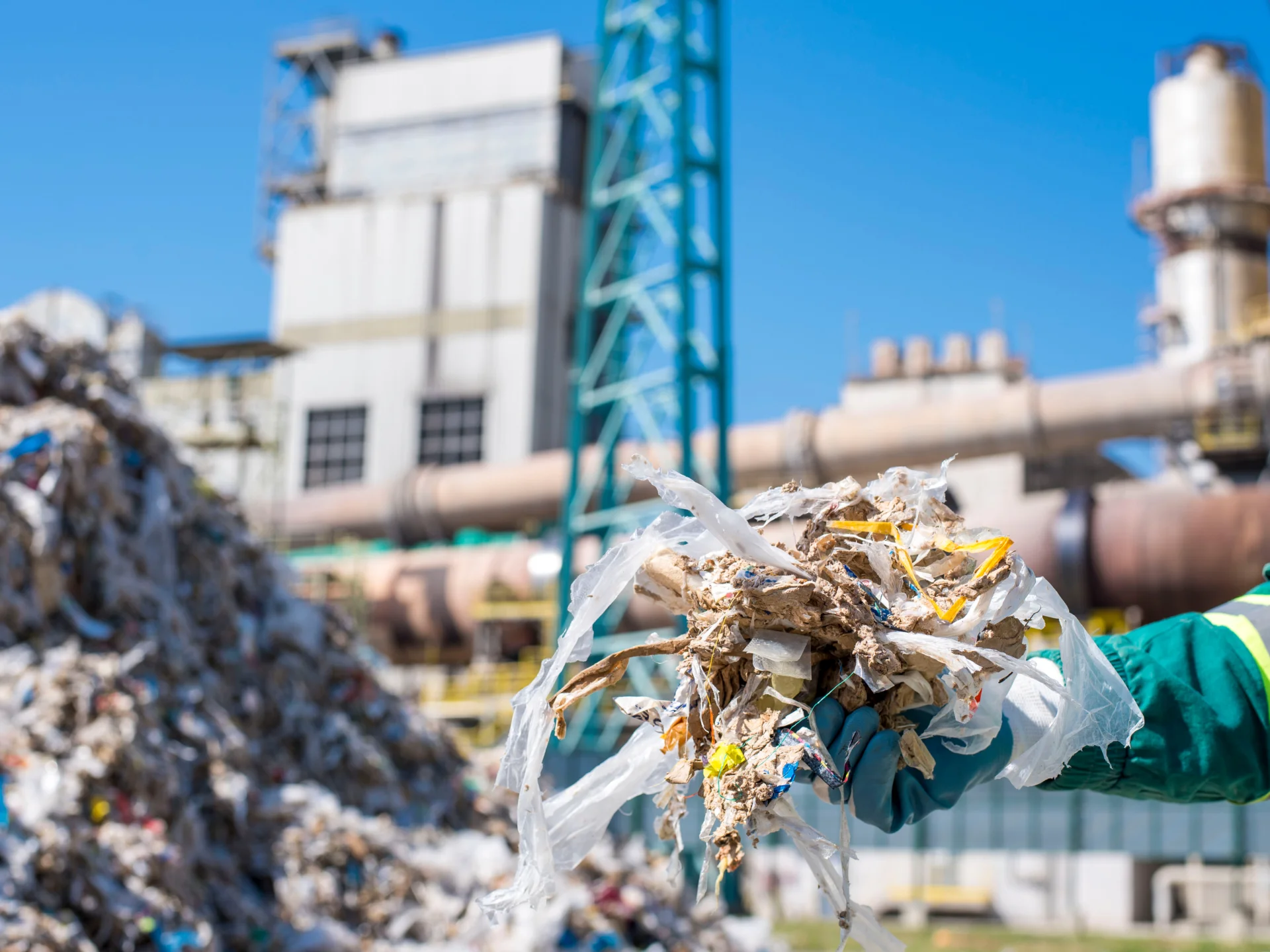
De uitdaging van moeilijk te recyclen kunststoffen aanpakken
Kunststofafval is een van de meest urgente milieuproblemen van onze tijd. Hoewel sommige kunststoffen gemakkelijk recyclebaar zijn, vormen andere een grotere uitdaging. Deze moeilijk te recyclen kunststoffen belanden vaak op stortplaatsen of vervuilen onze oceanen en ecosystemen. Dus, wat is de beste manier om met deze problematische materialen om te gaan? Laten we enkele innovatieve oplossingen verkennen.
Inzicht in moeilijk terecyclen kunststoffen
Voordat we in oplossingen duiken, is het belangrijk te begrijpen wat bepaalde kunststoffen moeilijk recyclebaar maakt. Enkele veelvoorkomende voorbeelden zijn:
– Kunststoffolies en zakken: Denk aan boodschappentassen, bubbeltjesplastic en voedselverpakkingen.
– Piepschuim: Gebruikt in afhaalcontainers, verpakkingsmaterialen en isolatie.
– Meerlaagse verpakkingen: Chipszakken, drinkpakken en sommige voedselverpakkingen.
– Kleine kunststofartikelen: Rietjes, bestek en flessendoppen.
Deze kunststoffen zijn vaak moeilijk te recyclen vanwege hun samenstelling, grootte of verontreiniging met voedselresten. Als gevolg hiervan belanden ze vaak in de afvalstroom.
Het belang van verminderen en hergebruiken
Verminder uw kunststofverbruik
Een van de meest effectieve manieren om moeilijk te recyclen kunststoffen aan te pakken, is door uw verbruik in de eerste plaats te verminderen. Hier zijn enkele tips:
1. Neem herbruikbare tassen mee tijdens het winkelen.
2. Kies voor producten met minimale of milieuvriendelijke verpakkingen.
3. Zeg nee tegen wegwerprietjes en -bestek.
4. Kies voor herbruikbare voedselopslagcontainers in plaats van wegwerpkunststofzakken.
Door deze kleine veranderingen aan te brengen, kunt u de hoeveelheid problematisch kunststofafval die u genereert aanzienlijk verminderen.
Hergebruik wat u kunt
Wanneer u toch moeilijk te recyclen kunststoffen overhoudt, probeer dan manieren te vinden om ze te hergebruiken voordat u ze weggooit. Bijvoorbeeld:
– Gebruik kunststofzakken als vuilniszakvoeringen of zakken voor huisdierafval.
– Hergebruik piepschuimcontainers voor knutselprojecten of verpakkingsmaterialen.
– Transformeer plastic flessen tot plantenbakken of opbergcontainers.
Creatief zijn met hergebruik kan de levensduur van deze kunststoffen verlengen en ze uit stortplaatsen houden.
Innovatieve Recycling Oplossingen
Geavanceerde sorteertechnologieën
Een van de uitdagingen bij het recyclen van moeilijk te recyclen kunststoffen is het correct sorteren ervan. Er komen echter nieuwe technologieën op om dit probleem aan te pakken:
– Optisch sorteren: Gebruikt camera's en lasers om verschillende kunststofsoorten te identificeren en te scheiden.
– Dichtheidsscheiding: Benut de variërende dichtheden van kunststoffen om ze in water te scheiden.
– Chemische markers: Inbedden van onzichtbare chemische markers in kunststoffen om het sorteren te vergemakkelijken.
Deze geavanceerde sorteermethoden kunnen helpen meer moeilijk te recyclen kunststoffen terug te winnen en de recyclingpercentages te verbeteren.
Chemische recycling
In tegenstelling tot traditionele mechanische recycling, waarbij kunststoffen worden gesmolten en opnieuw gevormd, breekt chemische recycling ze af in hun chemische componenten. Dit proces heeft verschillende voordelen:
– Het kan gemengde en vervuilde kunststoffen verwerken.
– De resulterende chemicaliën kunnen worden gebruikt om nieuwe kunststoffen of andere producten te maken.
– Het maakt oneindige recycling mogelijk zonder kwaliteitsverlies van het materiaal.
Hoewel het nog een opkomende technologie is, toont chemische recycling veelbelovend voor het omgaan met moeilijk te recyclen kunststoffen.
Upcycling-initiatieven
Upcycling omvat het transformeren van afvalmaterialen in nieuwe, hoogwaardigere producten. Verschillende bedrijven en organisaties vinden innovatieve manieren om moeilijk te recyclen kunststoffen te upcyclen:
– Kleding en accessoires: Sommige merken gebruiken gerecyclede plastic flessen of tassen om modieuze items te creëren.
– Bouwmaterialen: Kunststofafval kan worden verwerkt in bouwblokken, isolatie of straatstenen.
– Kunstwerken en meubels: Kunstenaars en ontwerpers vinden creatieve manieren om plasticafval om te zetten in prachtige stukken.
Door waarde te creëren uit afval, bieden upcycling-initiatieven een alternatief voor traditionele recyclingmethoden.
Systemische verandering ondersteunen
Pleiten voor Uitgebreide Producentenverantwoordelijkheid
Uitgebreide Producentenverantwoordelijkheid (UPV) is een beleidsbenadering die fabrikanten verantwoordelijk houdt voor de volledige levenscyclus van hun producten, inclusief verwijdering. Door te pleiten voor UPV-wetten kunnen we bedrijven aanzetten tot:
– Het ontwerpen van producten met recyclebaarheid in gedachten.
– Investeren in recyclinginfrastructuur en -technologieën.
– Take responsibility for the waste their products generate.
As consumers, we can support businesses that embrace EPR principles and call on policymakers to implement these regulations.
Participating in Community Recycling Programs
Many communities offer special recycling programs for hard-to-recycle plastics. These may include:
– Plastic film drop-off locations: Some stores collect plastic bags and films for recycling.
– Styrofoam collection events: Local organizations may host periodic Styrofoam recycling days.
– Terracycle partnerships: This innovative company works with brands to recycle complex packaging.
By participating in these programs, you can ensure that your hard-to-recycle plastics are properly disposed of and recycled.
The Power of Individual Action
While systemic change is crucial, individual actions also make a difference. Here are some ways you can make an impact:
1. Educate yourself and others about proper recycling practices.
2. Support businesses that prioritize sustainability and recycling.
3. Participate in local cleanups and waste reduction initiatives.
4. Use your voice to advocate for better recycling policies and infrastructure.
Remember, every small action counts when it comes to protecting our planet.
Conclusie
Dealing with hard-to-recycle plastics is a complex challenge, but by combining reduction, reuse, innovative recycling solutions, and systemic change, we can make significant progress. As individuals, we have the power to make conscious choices, support sustainable initiatives, and advocate for a more circular economy. By working together, we can create a future where plastic waste is no longer a threat to our environment.
Veelgestelde Vragen
1. What are some examples of hard-to-recycle plastics?
Examples include plastic films, Styrofoam, multilayered packaging, and small plastic items like straws and utensils.
2. How can I reduce my consumption of hard-to-recycle plastics?
Bring reusable bags when shopping, choose products with minimal packaging, avoid disposable straws and utensils, and opt for reusable food storage containers.
3. What is chemical recycling, and how does it differ from traditional recycling?
Chemical recycling breaks down plastics into their chemical components, allowing for the creation of new plastics or other products. Traditional recycling melts and remolds plastics without changing their chemical structure.
4. What is Extended Producer Responsibility (EPR)?
EPR is a policy approach that holds manufacturers responsible for the entire lifecycle of their products, including disposal, encouraging them to design for recyclability and invest in recycling infrastructure.
5. How can I properly dispose of hard-to-recycle plastics in my community?
Check for local plastic film drop-off locations, Styrofoam collection events, and Terracycle partnerships. Participate in these programs to ensure your hard-to-recycle plastics are properly recycled.
